
What Are the First Warning Signs of a Poorly Installed Roof?
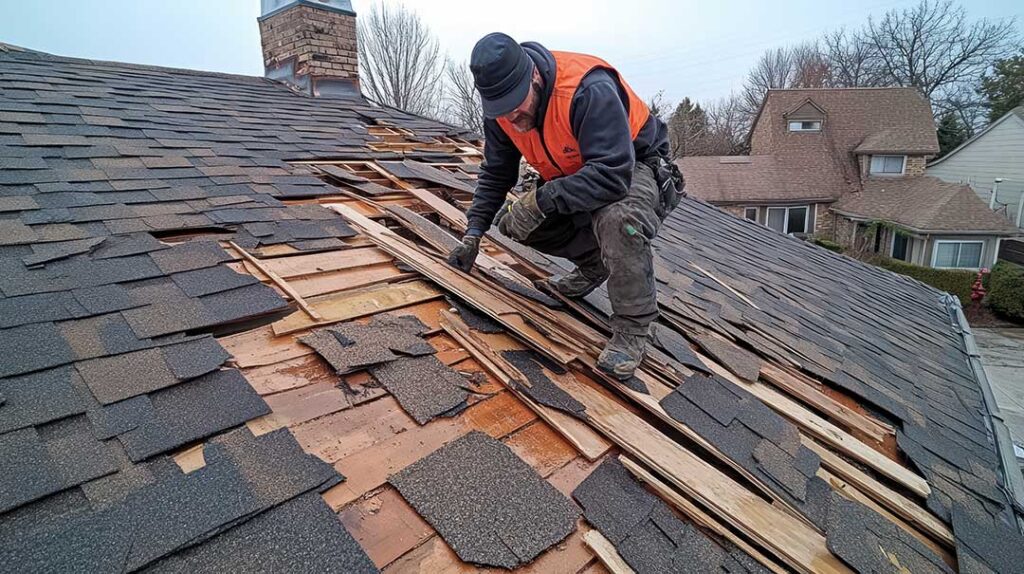
Initial red flags for problematic roof installation often appear within the first year. Homeowners in North Chili, NY should be on the lookout for uneven surfaces, missing shingles, or visible gaps immediately after work is completed. Unlike normal aging or weathering, these issues tend to appear quickly and indicate underlying installation errors rather than natural wear.
- Shingles not lying flat or displaying obvious waves and dips can reflect improper alignment or insufficient nailing.
- Exposed nail heads can be a sign that shingles weren’t fastened according to manufacturer instructions, making leaks more likely, especially after wet or snowy seasons common in the region.
- Multiple shingle colors or brands used without clear pattern may signal a rushed or careless job, sometimes indicating leftover or mismatched supplies.
Even subtle inconsistencies should prompt further inspection to prevent future problems.
Why Is Flashing Placement So Critical in the North Chili Climate?
Flashing is the metal (or sometimes rubber) material that seals joints around chimneys, vents, and where the roof meets walls, preventing water intrusion. North Chili’s weather—marked by freeze-thaw cycles, significant snowfall, and driving rain—places extra stress on these vulnerable areas.
Common flashing errors causing trouble include:
- Flashing installed upside down or with gaps that allow moisture penetration during winter melts.
- Improper use of roofing cement instead of mechanical fastening, leading to quick deterioration.
- Missing step flashing along roof-to-wall transitions.
Water stains on ceilings or walls, especially after snow melts or storms, often trace back to flashing mistakes. Even minor gaps can allow water to freeze and expand, compounding damage beneath the surface.
Are Shingle Patterns or Alignment Really That Important?
Consistent shingle alignment is crucial both for aesthetics and durability. The roof on a typical North Chili home should display straight, overlapping rows. Crooked lines, significant overhang, or exposed edges suggest rushed work or a lack of experience.
Why this matters locally:
- Improperly aligned shingles can lift during strong winds—common near the Lake Ontario corridor in winter and early spring.
- Consistent gaps in shingle rows create channels where wind-driven rain or melting snow can seep under the roofing, compromising the underlayment and wooden decking over time.
- Poor patterning often leads to uneven weight distribution, risking structural stress or premature failure in older homes found in the area.
Residents sometimes overlook these visual details, assuming “all roofs settle,” but persistent alignment issues nearly always trace back to installation—not settling or age.
How Does the Attic Reveal Installation Quality?
Attic space can provide critical clues about improper roof installation, especially in homes built prior to the 2000s, which are common throughout the North Chili area.
Homeowners should look for:
- Damp insulation or visible water trails beneath the roof deck, suggesting poor underlayment or flashing.
- Light peeking through nail holes or seams in daylight, indicating gaps where weather can penetrate.
- Mold or mildew growth, particularly after heavy winter storms or spring thaws, often aggravated by improper ventilation combined with inferior sealing.
Inadequate attic ventilation due to incorrectly placed intake or exhaust vents is a related but distinct issue, as it can exaggerate the effects of poor roof installation by trapping moisture and raising heating costs in colder months.
Could Shingle Loss Happen So Soon?
Shingle loss or excessive shingle movement within the first year or two is rarely normal in North Chili. Strong winds blow through the city seasonally, but properly installed shingles should resist typical gusts and winter storms.
Frequent causes of premature shingle loss:
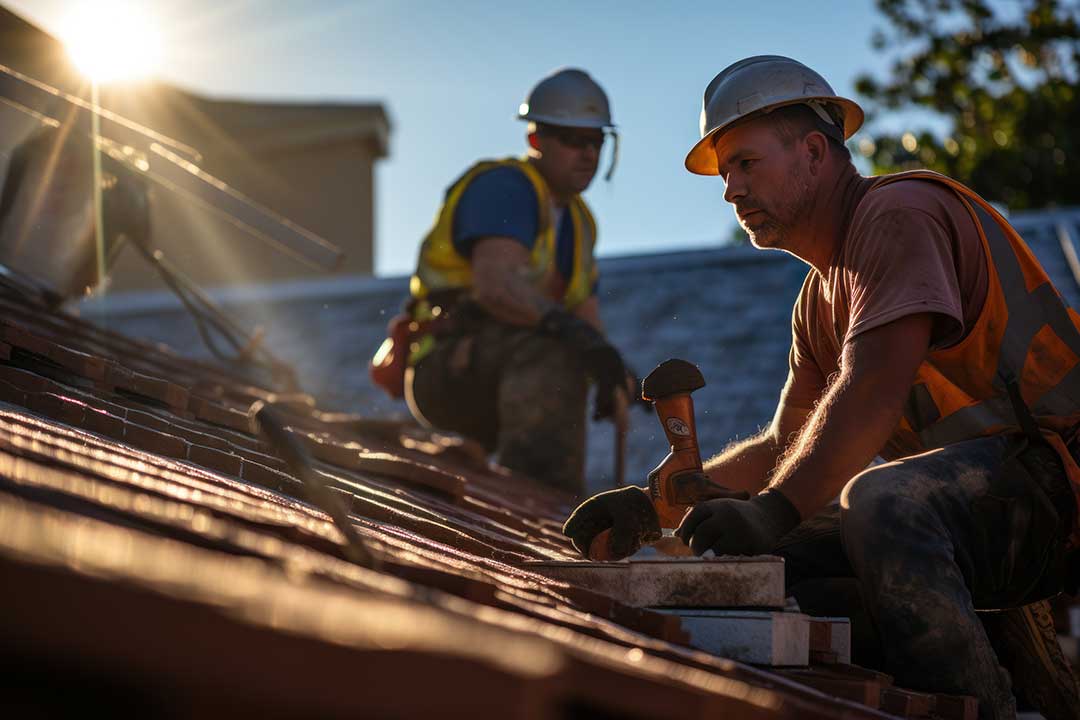
- Insufficient nailing—either too few nails or improper placement (above instead of through the nailing strip).
- Failure to seal edges or starter strips, making the roof vulnerable at its weakest points.
- Not following manufacturer guidelines for the specific shingle type, which can void roofing material warranties and leave homeowners with little recourse.
Finding granules collecting in gutters, pieces of shingles on the ground, or strips missing after only a mild storm is a definite warning sign and typically reflects installation errors.
What About Roof Valleys and Penetrations?
Valleys—where two roof slopes meet—and penetrations (like vents or skylights) are some of the most common trouble spots due to their complexity. Attention to detail here is especially important because North Chili’s variable weather puts these areas under constant stress.
Indicators of poor work in these areas include:
- Improper overlap or exposed seams in valleys, which can allow water to flow underneath shingles.
- Roof cement sloppily used to cover obvious design mistakes or shortcuts, rather than proper layered installation.
- Cracked, shifting, or loosely fastened boots around pipes, which permit leaks as materials expand and contract through changing temperatures.
Local households with complex rooflines—the kind often seen in additions, split-levels, or older renovations—should inspect these vulnerable areas closely following any roofing work.
Can Poor Roof Installation Affect Home Energy Use?
Roof installation issues don’t just cause leaks—they can contribute to higher heating and cooling costs in North Chili’s changing seasons. Gaps, thin underlayment, and poorly placed vents allow unwanted airflow, forcing heating systems to work harder in winter and air conditioners to run longer in summer.
Some signs of energy loss due to roofing:
- Uneven attic temperatures or hot/cold spots in top-floor rooms.
- Ice dams forming on the eaves after snow storms, which are often the result of warm air escaping and poorly sealed roofing assemblies.
- Surprising increases in energy bills without any obvious change in household usage.
Proper insulation works in tandem with a well-installed roof; shortcut installation methods undermine this benefit and can become costly in harsh weather typical of the region.
