

Why Does Matching Shingles Matter in North Chili, NY?
Matching replacement shingles maintains your roof’s ability to shed water, prevents leaks, and supports the overall curb appeal of your home. In North Chili, visible patches or mismatches can lower property value and may even impact homeowners insurance policies. Given the city’s mix of older homes and new construction, it’s common to see a variety of shingle types and colors throughout local neighborhoods. Storms, wind, and freeze-thaw cycles typical in the region often make isolated repairs necessary, so proper matching keeps area homes looking maintained and functioning well.
What Should Residents Look for When Identifying Existing Shingles?
Start by finding out the key details of your current shingles:
- Material: Asphalt shingles are most common in North Chili, but homes may also have wood, composite, or specialty materials.
- Profile and Shape: Architectural (dimensional) and three-tab shingles have different thickness, texture, and edge lines.
- Color: Even similar shades from different lots may have subtle but noticeable differences, especially after years of sun and weather exposure.
Most area homes use asphalt shingles, which typically have a granular surface and come in a limited color palette. Keep in mind that granule loss from aging, tree debris, or recent weather events can alter the original appearance, making perfect matches more difficult.
How Do Color and Aging Affect Match Quality?
Matching shingle color isn’t just about buying the same product name or sample. Gradual fading and weathering due to North Chili’s sun, snow, and rain alter original hues. That “Harbor Gray” from a decade ago now looks lighter than a fresh package.
Here are the typical factors influencing appearance:
- Sun Exposure: Roof slopes facing south and west fade more quickly.
- Moss and Algae: North-facing roofs often darken as more moisture accumulates.
- Granule Shedding: Hail, branches, and freeze-thaw cycles speed up color loss.
This means exact matches are uncommon, but a close visual similarity—especially from the ground—is usually achievable.
What Steps Can Homeowners Take to Find the Closest Match?
Begin by collecting a sample from your roof. Take a full shingle from an inconspicuous area (such as under a vent or ridge), or bring a handful of loose granules to help with color matching.
Typically, the process involves:
1. Sample Comparison: Hold your sample up to potential replacements in natural daylight, as store lighting can distort color perception.
2. Photographs: Take reference photos, but rely mostly on in-person comparisons; photos often misrepresent shade and texture.
3. Batch Numbers: Shingle packages are marked with manufacturing codes; try to match these for best consistency if the same product line is still made.
4. Check Under Overhangs: Occasionally, shingle edges protected by eaves or adjoining walls retain their original color, offering a better match target.
5. Observe After Rain: Wet shingles temporarily darken, so view both your roof and samples when dry for an accurate match.
Local factors—such as the area’s ice damming risk—mean many homes use algae-resistant or cool-color shingles, which can further influence appearance after years on the roof.
Are There Local Styles or Regulations That Affect Shingle Choice?
Most residential neighborhoods in North Chili don't enforce strict shingle appearance codes, but some homeowner associations or historic districts may specify particular profiles or colors. Even if not legally required, matching the style and shade of surrounding homes helps your repair blend in and may reduce neighbor concerns during home sales.
Roofs often feature deep grays, earthy browns, or muted greens—tones that complement the area’s landscape and work well with both vinyl and wood siding common to the region. Color uniformity is particularly valued during resale inspections and appraisals, as visible mismatches are noted as defects.
What If No Exact Match Is Possible?
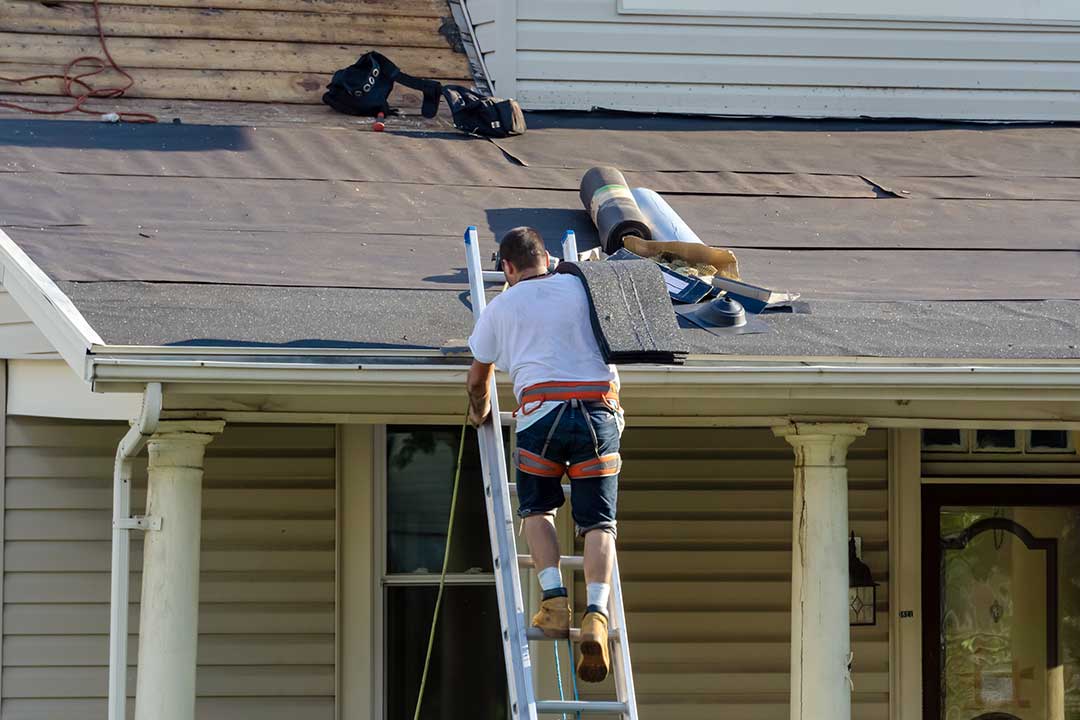
Perfect matches are rare for older roofs. If an identical replacement isn't available, focus on finding the closest texture and a reasonably similar color. These strategies help:
- Repositioning: Move shingles from less visible areas of the roof to the repair spot, then use new shingles where variation is less noticeable.
- Blending: Mix new and old shingles randomly in the repair area, reducing the appearance of a sharp color boundary.
- Accent Repairs: For larger patches, consider making the change look intentional, such as creating a defined pattern or border, if it suits the building’s architecture.
These approaches work well for typical roof slopes and rooflines seen across North Chili’s residential areas.
Are There Mistakes Residents Commonly Make When Replacing Shingles?
Several issues often come up during replacement:
- Assuming Any Gray is “Good Enough”: Small shade differences become obvious, especially in the city’s variable lighting.
- Ignoring Shingle Thickness: Mismatched profiles cause bumps or gaps, which may collect water or ice in winter.
- Skipping Attic Inspection: Focusing only on appearance can result in missed leaks or moisture damage.
- Underestimating Weather Impact: Even fast repairs need dry days above 40°F for adhesive to seal properly—a key consideration for North Chili’s repair seasons.
Understanding these pitfalls helps area residents avoid repairs that call attention to themselves or lead to future issues.
When Should Expert Help Be Considered?
Routine replacement of several shingles is typically safe for many homeowners, provided proper ladder use and basic roofing practices. Peaks, steep slopes, and repairs following fire or storm damage may require specialized skills or knowledge of local permitting requirements.
If your roof deck feels soft, shingles are layered over older ones, or an insurance claim is involved, pause repairs and check for guidance on safe remediation. For most other situations, careful matching and installation keeps local roofs sturdy and looking their best.
