
What Are Roof Coatings and How Do They Work?
Roof coatings are protective layers applied to the surface of existing roofing materials. Typically, these coatings come in liquid form and are designed to extend the life of a roof by creating a barrier against weather, moisture, and UV rays. In North Chili, NY, area homes often deal with significant seasonal changes—including heavy snows in winter and strong sun in summer—which can accelerate roof wear. Applying a coating can help defend your roof against this cycle.
Common materials used in roof coatings include acrylic, silicone, asphalt, and polyurethane. Once applied and cured, these coatings form a unified surface that can provide additional waterproofing and reflectivity.
What Are the Main Advantages of Roof Coatings for Homes in North Chili, NY?
Roof coatings offer several benefits, especially suited to homes in regions with fluctuating weather such as North Chili:
- Extended Roof Life: Coatings can add years of service to asphalt, metal, and even flat roofs by protecting against leaks and surface degradation.
- Improved Weather Resistance: They seal small cracks and provide a barrier to rain, sleet, and snow—important for homes that experience freeze-thaw cycles.
- Energy Efficiency: Some coatings are highly reflective, helping to reduce heat absorption. In warmer months, this can lead to noticeable energy savings by keeping attics and upper floors cooler.
- Cost-Effectiveness: Applying a coating is typically less expensive and less disruptive than a full replacement. Many local homeowners use coatings as a “bridge” to delay replacement, buying time while still maintaining protection.
- Minimal Disruption: The process is usually faster and quieter than a tear-off and replacement, which can be appealing for busy households or those with pets or young children.
Are There Downsides to Using Roof Coatings?
Despite the positives, there are some limitations and risks to keep in mind. Not every roof is a good candidate for coating, and expecting the wrong results can lead to disappointment.
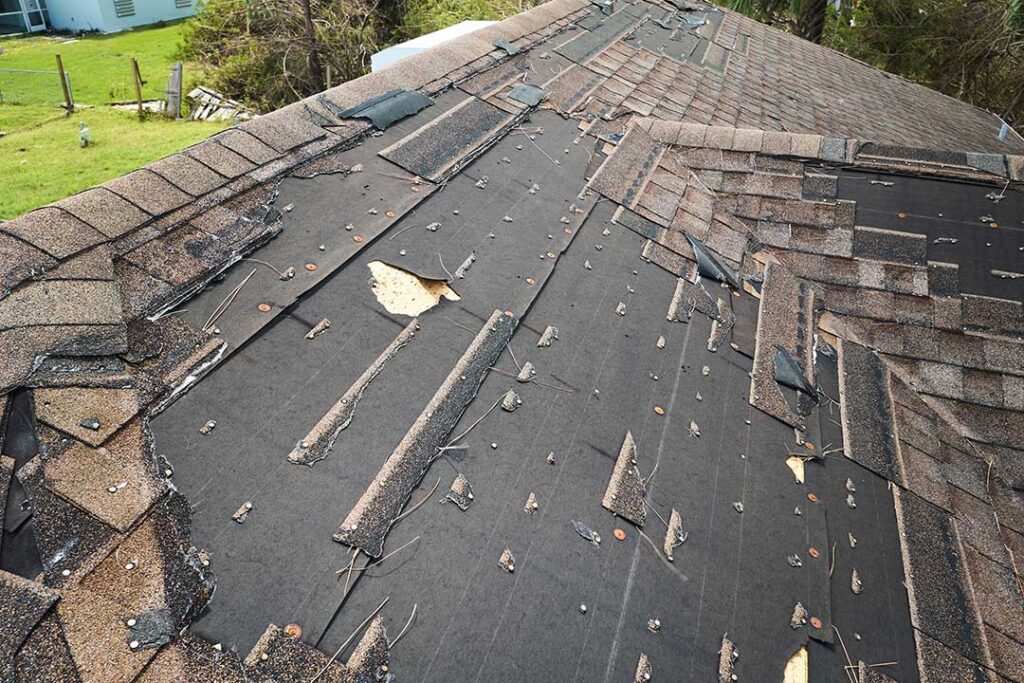
- Temporary Solution: Coatings are not a substitute for a badly worn, damaged, or structurally unsound roof. They work best on surfaces in generally good condition needing extra protection, not on roofs with widespread leaks or rotten decking.
- Limited Lifespan: Most coatings last five to ten years, requiring periodic reapplication. Their effectiveness depends on the underlying roof’s condition and the type of coating used.
- Moisture Traps: If applied to a damp or dirty surface, coatings can trap moisture beneath, leading to blistering, mold, or further hidden damage.
- Not All Roofs Qualify: Steeply pitched or heavily textured roofs may not be suitable for liquid coatings. Nearly flat or low-slope roofs, common in some area buildings, are more frequently coated.
- Maintenance Still Required: Coated roofs still need regular inspection and maintenance, especially after harsh winters or windstorms typical for the region.
How Do Local Climate and Seasonal Shifts Affect Roof Coating Performance?
In North Chili, temperature swings and precipitation levels significantly impact both the decision to apply a coating and its performance.
Early fall is generally considered the ideal time for applying most coatings, as mild temperatures and lower humidity help achieve proper curing. Winter application is not recommended; cold temperatures can prevent proper adhesion and trapping moisture beneath the coating is a particular risk.
Local residents should also keep in mind that the effectiveness of reflective “cool roof” coatings is most noticeable in buildings prone to overheating during hot, sunny days. In spring and summer, lighter colored coatings help reflect UV rays, while in the winter, the insulation value of any coating is less significant compared to attic insulation and ventilation.
What Types of Roofs in North Chili Are Most Commonly Coated?
Local homes with flat or low-slope roofs and aging asphalt or metal surfaces are the most frequent candidates for coatings. These types are common on older ranch homes, additions, garages, and small commercial buildings throughout the community.
Shingled roofs, especially steep-sloped ones, are less often coated because most liquid products adhere best to smooth surfaces with minimal seams. Homeowners considering coating a shingled roof should be aware of the product’s suitability and long-term performance, as it may not solve issues beneath the shingles.
What Should Residents Know About Roof Preparation and Application?
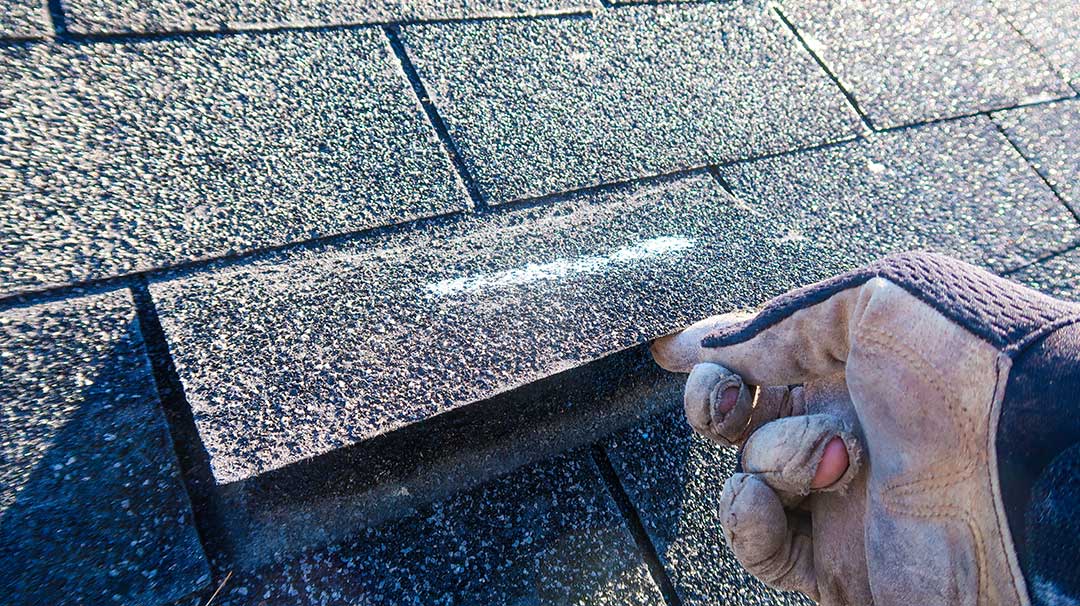
Proper surface preparation is crucial for a successful roof coating application. This includes:
- Cleaning away dirt, moss, and loose debris before applying the coating.
- Repairing cracks, holes, or soft spots in the surface first, as coatings do not fix structural problems.
- Waiting for a stretch of dry, mild weather—something locals know can require careful planning given the region’s unpredictable forecasts.
Skipping steps can result in poor adhesion or premature failure. Using the right type of coating for the specific roofing material also makes a substantial difference in longevity.
Common Misconceptions About Roof Coatings
Many assume that roof coatings can “fix” any leaky or worn-out roof, but in reality, these products are best used as a maintenance tool for extending life—not a cure-all for major problems.
Other misconceptions include:
- “One coat is enough for years.” Most products require multiple coats and ongoing touchups to stay effective.
- “Any roof can be coated.” Some surfaces—like tile, wood shakes, or heavily deteriorated materials—need different approaches or shouldn’t be coated at all.
- “No maintenance required after coating.” Even a well-coated roof needs regular checks for ponding water, new cracks, or peeling sections.
When Is a Roof Coating Worth Considering for North Chili Homes?
A roof coating makes sense for many local property owners looking to delay a costly replacement or add seasonal weather protection. They provide genuine value when applied to sound, well-maintained roofs at the right time of year. However, they aren’t a solution for roofs that already have extensive structural issues.
For homes in areas where winter storms and summer sun both take their toll, coatings remain a practical option—if chosen and maintained wisely.
