

What Basic Tools Do Most Homeowners Need for Roof Upkeep?
For routine care and spot checks, several practical tools can make roof maintenance much more manageable. Most local households will find these core items useful for visual inspections and minor debris clearing:
- Sturdy, properly-sized ladder (extension varieties allow access on typical North Chili single- and two-story homes)
- Soft-bristle broom or roof rake, especially helpful for removing leaves or light snow without damaging shingles
- Work gloves and rubber-soled shoes for grip and protection
- Binoculars for safe ground-level inspections of high or steep areas
Having these items ready allows residents to safely handle many minor maintenance jobs — such as checking for shingle damage or clearing clogged gutters after a windstorm — typical to local conditions.
What Should Homeowners Use for Seasonal Gutter Maintenance?
Gutters in this region deal with falling leaves in autumn and frequent thaw/freeze cycles in winter. For these seasonal tasks, the right gear is essential:
Start with a gutter scoop or small plastic trowel, designed to fit the narrow space of a rain gutter. This tool helps remove wet leaves and built-up debris effectively. A garden hose with a spray nozzle clears finer residue and tests for proper flow. Aim for a nozzle with an angled or flexible attachment to reach tight corners in multi-level homes.
For homes with significant tree cover, consider a telescoping pole with a gutter cleaning attachment. This allows maintenance from the ground, reducing trips up the ladder.
How Can Ice and Snow Be Managed Without Damaging the Roof?
Harsh winters bring snow accumulation and ice dams, which can strain local roofs. Removing built-up snow — when safe to do so — often relies on a lightweight roof rake with a long, extendable handle. These rakes are designed to gently pull snow off shingles without heavy scraping, helping to prevent ice dams from forming at the eaves.
Metal shovels and sharp tools should never be used directly on roofing materials. These can puncture shingles or flashing and create leaks. Instead, durable plastic roof rakes with smooth edges work best for winter roof care.
Are Safety Tools Necessary?
Safety is crucial for any rooftop task, especially in the icy and windy conditions often experienced in North Chili. Anyone considering hands-on roof work should prioritize the following:
- Safety harness if working on slopes or heights beyond a basic single-story roof
- Non-slip footwear specifically rated for roof surfaces
- Protective eyewear to guard against windborne debris or granules from old shingles
Never work alone when on the roof or ladder. For most regular maintenance tasks, staying on the ground or limiting ladder use is safest, particularly during freezing or wet conditions.
Which Tools Help Identify Moisture or Leak Issues Early?
Spotting leaks before they escalate saves local homeowners significant trouble, especially after heavy rain or rapid snowmelt. While visual inspections are a good start, some tools can help:
A moisture meter designed for home use can detect dampness beneath surface materials in attics or on ceilings. This tool works by pressing it against wood or drywall to measure moisture content — helpful for investigating potential leak areas indicated by stains or peeling paint.
Flashlights or portable work lights are indispensable for attic inspections. Bright, focused lighting makes it easier to see subtle signs of water entry, such as dark spots or condensation.
What Tools Might Be Overlooked for Local Conditions?
Here are a few practical items often forgotten but especially useful for homes in the area:
- Caulk gun and roofing sealant for patching minor flashing cracks around vents, skylights, or chimneys
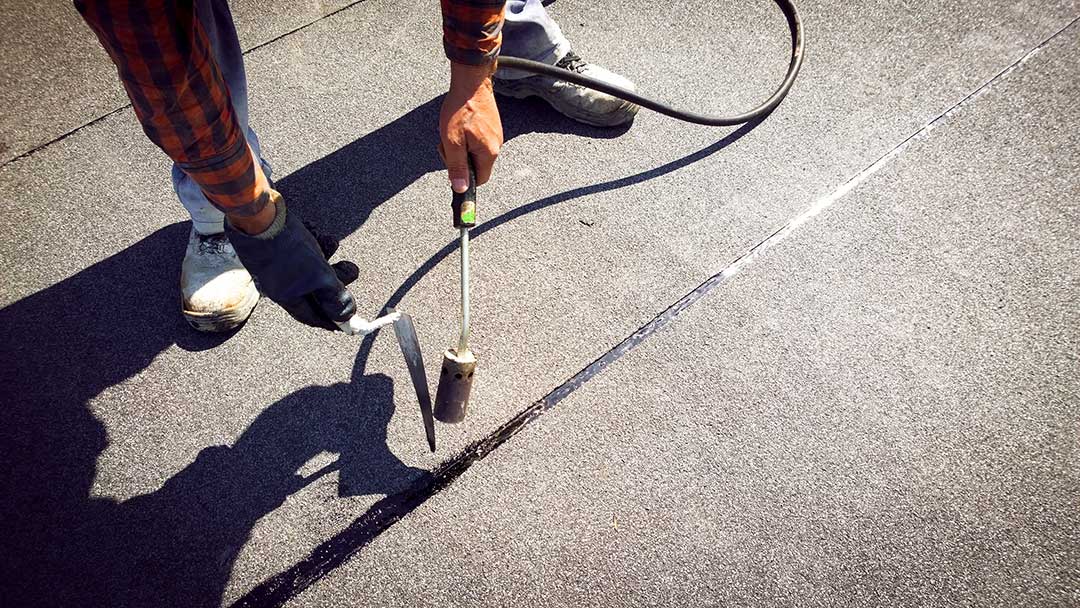
- Putty knife for removing old caulk or lifting curled shingles for spot repairs
- Chalk or marking pencil to outline problem areas and track repairs over time
Residents often skip these items, but keeping them available saves time on minor fixes between major roof work.
When Is Specialized Equipment or Precautions Required?
Some maintenance jobs should be approached with extra care or special equipment due to the risks involved — particularly for older homes or steep pitches found in portions of the city. For example, replacing broken shingles or working with electrical fixtures (like attic fans) usually exceeds the scope of basic homeowner tools.
If shingles are brittle, covered in moss, or the roof structure is unknown, it’s best not to attempt dismantling or deep cleaning without an understanding of underlying conditions. Use visual inspection equipment and non-invasive tools only. Any task that may involve structural integrity, electrical work, or hazardous materials (like asbestos in older roofs) should be handled by someone with proper training and equipment.
How Often Should Tools Be Used for Roof Care?
Routine tool use depends on local weather and tree coverage. In general:
- Inspect roofs each spring and fall, plus after major storms
- Clean gutters at least twice yearly, or more often if surrounded by mature trees
- Use binoculars or ground-based tools after wind events or heavy snowfall to check for visible damage
Knowing what to look for and employing the right equipment helps area homeowners extend the life of their roofs while minimizing hazards. Regular care with the appropriate tools, combined with caution, sets households up for dependable, well-protected homes through all the seasons.
