

Can Residents in North Chili, NY Safely Perform Roof Work Themselves?
Roof work can be physically demanding and carries certain risks. For homeowners in North Chili, NY, deciding if it’s safe to tackle a roofing project comes down to understanding the task, local climate, home type, and personal limitations. Some repairs may be manageable with caution and the right tools; others are best left alone due to safety, liability, or technical complexity.
What Types of Roof Work Are Generally Safe for DIY?
Some basic maintenance and repairs can be handled by cautious homeowners, especially on single-story houses with manageable roof pitches. Common DIY-friendly tasks include:
- Cleaning gutters of leaves and debris
- Checking for and clearing small branches after storms
- Replacing a handful of loose or missing shingles if the area is easily accessible
For these tasks, safe ladder use and calm weather are essential. Flat or moderately sloped roofs are far safer for beginners than steep pitches. Anyone with balance issues or health problems should avoid roof work entirely.
What Makes Roof Work Risky in This Area?
North Chili’s climate includes heavy snow, icy winters, and occasional high winds. These weather factors complicate roof work, even in spring and summer:
- Roof surfaces can be slippery from dew, algae, or moss, especially on north-facing sides.
- Unexpected strong wind gusts are common off nearby open spaces, making ladder or rooftop stability harder.
- Spring thaw may reveal hidden damage from winter ice dams or snow loads.
Even confident DIYers must understand that North Chili’s winters cause faster shingle wear and increase the risk of soft, rotten decking near roof edges. Misjudging damage after a long winter is a common pitfall.
How Can Safety Be Maximized?
Before climbing onto the roof, assess both the roof and your own capability:
- Only work in dry, calm weather—never after recent rain or on days when winds exceed 10 mph.
- Use a solid, well-placed ladder extending at least three feet above the roof edge. Never use makeshift supports, and always set up on firm, level ground.
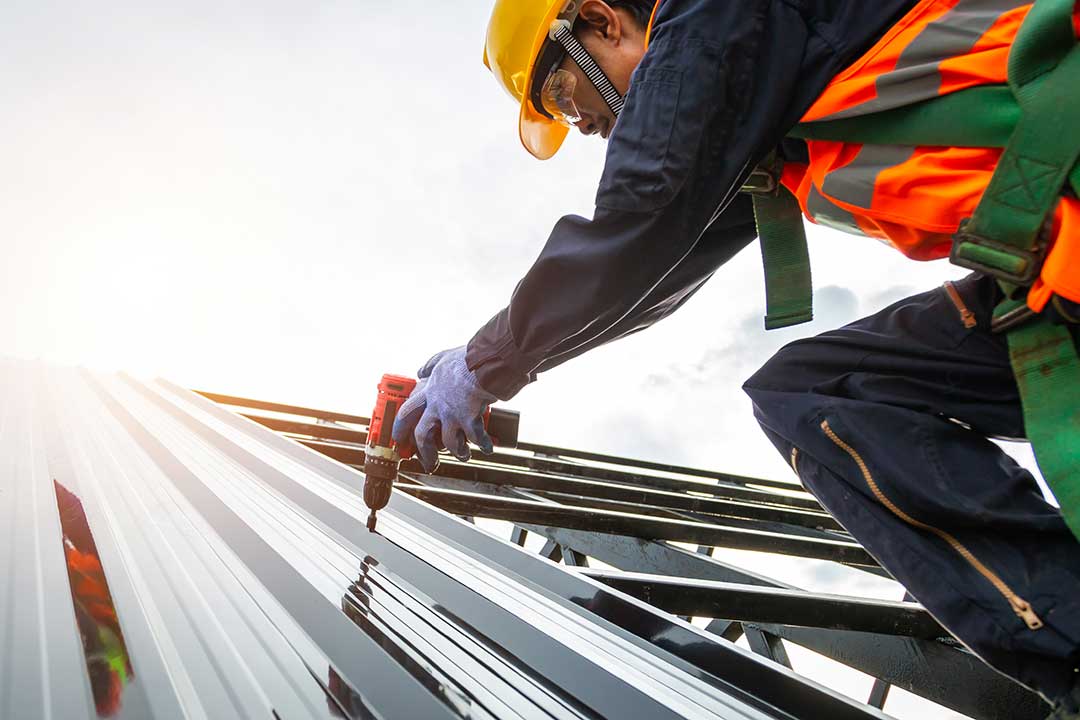
- Wear non-skid shoes, comfortable clothes with good coverage, and consider a safety harness for extra protection—even on low roofs.
- Avoid working alone. Have someone nearby who can assist or get help if needed.
Do not attempt roof work if the structure feels unstable, there’s visible sagging, or you’re unsure about underlying water damage.
Are There Legal or Insurance Issues With DIY Roof Repairs?
Most North Chili homeowners can legally perform roof maintenance or minor repairs on their own single-family homes. However, extensive modifications or full re-roofing may require permits, particularly in regulated neighborhoods or if the work affects structural components.
Insurance coverage is also a consideration. Self-performed work often isn’t protected under homeowners insurance if improper repair causes water damage or injury. Always document your process with photos and receipts for any supplies purchased to support future claims.
When Should Professional Help Be Considered Essential?
Some circumstances strongly warrant leaving the job to professionals, regardless of confidence level:
- Repairs near electrical wiring or roof-mounted utilities (such as solar panels or satellite dishes)
- Work requiring removal or installation of flashing around chimneys or skylights
- Any suspected structural weakness, major leaks, or widespread mold/algae growth
- Roofs steeper than a 6/12 pitch, or homes with multiple stories
Complex repairs often require specialized equipment and training, especially where safety or code compliance is involved. For homes with historical designations, restoration rules may further limit what can be done without professional oversight.
What Are Common Misconceptions About DIY Roof Work?
A common misconception is that all shingle replacements are simple swaps, but underlying deck rot or improper nailing can cause unseen issues. Another is believing that a roof "just needs caulking" when leaks persist; in reality, trapped moisture or poor ventilation may require deeper repairs.
It’s also tempting to climb up early in spring, but hidden refreeze areas or soft decking can present sudden hazards. Residents sometimes underestimate how quickly mild weather can shift to rain, leading to half-finished repairs and potential water intrusion.
How Should Residents Prepare Before Attempting DIY Roof Projects?
Preparation is key. Make a thorough inspection from the ground using binoculars, looking for missing shingles, sagging sections, or signs of wildlife entry. Plan roof access carefully, check all tools for wear, and read up on safe work practices tailored to asphalt, metal, or other roofing types common in the city.
Consider setting aside twice as much time as you think you’ll need—rushing increases the risk of slips or missed problems. Discuss your plans with household members and let a neighbor know when you’ll be working.
What If You Discover Unexpected Issues Mid-Project?
If you encounter rotted wood, large areas of mold, or evidence of animal nesting within the roof layers, stop work right away. Cover exposed sections temporarily with a tarp and reassess. Attempting to fix major discoveries alone can lead to injury or more costly repairs later.
