
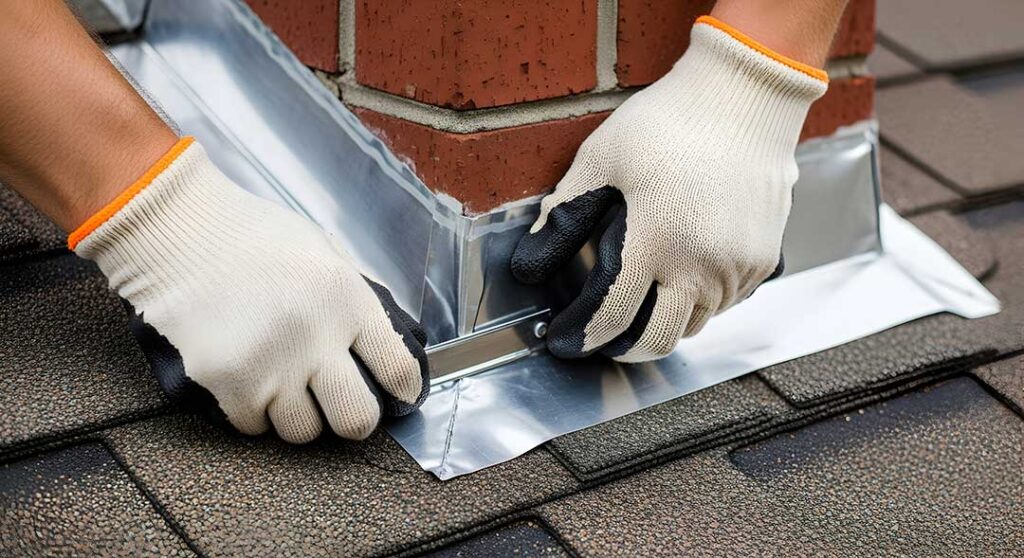
A roof cricket is a raised, sloped structure built behind a chimney or another roof obstruction. Its purpose is to divide water flow and guide rain, melting snow, and ice around the obstruction instead of allowing moisture to collect against it.
For homes in North Chili, NY, roof crickets can be especially useful because roofs must handle rain, freeze-thaw cycles, wind, and periods of snow accumulation. A properly designed cricket is a water-management feature, not a decorative roof addition.
What exactly is a roof cricket?
A roof cricket is a small ridge-shaped section of roofing installed on the uphill side of a chimney, skylight, large vent, or similar object. It usually has two sloping sides that direct water toward the roof valleys or drainage paths on either side.
The cricket is often framed with wood and covered with the same underlayment and roofing materials used elsewhere on the roof. Its shape may be subtle from the ground, but it changes how water travels across the roof surface.
A cricket is sometimes called a saddle because it resembles a raised saddle behind the obstruction. The terms are often used interchangeably, although local building practices may use one term more frequently than the other.
Why is a cricket needed behind a chimney?
A chimney interrupts the natural downhill path of water. Without a cricket, rain and melting snow flow directly toward the uphill side of the chimney, where they can slow down, spread sideways, or collect in corners.
That area is vulnerable because the chimney and roof meet at different angles and are made from different materials. The joint depends on carefully installed flashing to remain watertight. A cricket reduces the amount of water pressing against that joint.
A properly built cricket helps by:
- Splitting water flow around the chimney
- Reducing standing water and snow buildup
- Limiting debris accumulation behind the obstruction
- Improving drainage toward the roof edges or valleys
- Supporting the performance of the chimney flashing
The cricket does not replace flashing. It works with the flashing system to reduce water exposure at one of the roof’s more complicated transitions.
What problems can occur without a cricket?
Not every chimney requires a cricket, but a missing or poorly designed one can contribute to recurring problems on roofs with larger or wider chimneys.
Common concerns include:
Water pooling
Water can collect where the uphill roof plane meets the chimney. Even a small amount of repeated pooling may increase the chance of leakage through weak flashing joints, fastener holes, sealant failures, or damaged roofing materials.
Ice accumulation
During winter, snow may drift or settle behind the chimney. If daytime warming causes partial melting followed by overnight freezing, ice can build up around the flashing. This repeated expansion and contraction places stress on roofing materials and seams.
Debris buildup
Leaves, twigs, and roof granules may collect in the sheltered area behind the chimney. Debris can block drainage and hold moisture against the roof surface. Organic material that stays wet for long periods can accelerate deterioration of some roofing components.
Hidden interior damage
A leak near a chimney may not appear directly below the problem. Water can travel along roof decking, rafters, insulation, or framing before becoming visible on a ceiling. Staining near a chimney, upper wall, or attic area should not automatically be attributed to the visible location of the stain.
Are roof crickets required on every roof?
No. Whether a cricket is needed depends on the size and shape of the obstruction, the roof slope, local construction requirements, and how water and snow are expected to move across the roof.
A small chimney on a steep roof may have adequate flashing without a separate cricket. A wider chimney on a lower-slope roof is more likely to benefit from one because the obstruction creates a broader area where water and snow can collect.
Building requirements can also vary by project and jurisdiction. New construction, major alterations, and reroofing work may be subject to applicable residential building codes. The design should be evaluated as part of the complete roof drainage and flashing system rather than as an isolated feature.
What does a properly built cricket look like?
A functional cricket should create a noticeable change in the roof plane behind the obstruction. It generally includes:
- A raised center ridge or peak
- Sloped surfaces directing water to both sides
- Properly integrated underlayment
- Durable step flashing and counterflashing
- Secure transitions where the cricket meets the chimney and roof
- Roofing materials installed without blocking drainage paths
The upper end of the cricket must connect cleanly to the roof surface, while the sides need to shed water without forcing it beneath the flashing. The exact dimensions depend on the obstruction’s width, the roof pitch, the roofing material, and expected snow conditions.
A cricket that is too small may not redirect water effectively. A cricket with abrupt or poorly sealed transitions can create new leak points rather than solving the original drainage problem.
How does a cricket differ from flashing?
Flashing is a system of metal or other water-resistant material installed at roof joints and changes in direction. It helps prevent water from entering gaps around chimneys, walls, valleys, vents, and skylights.
A cricket is a structural and drainage feature. It changes the shape of the roof so water moves around an obstruction more efficiently.
The two components serve different functions:
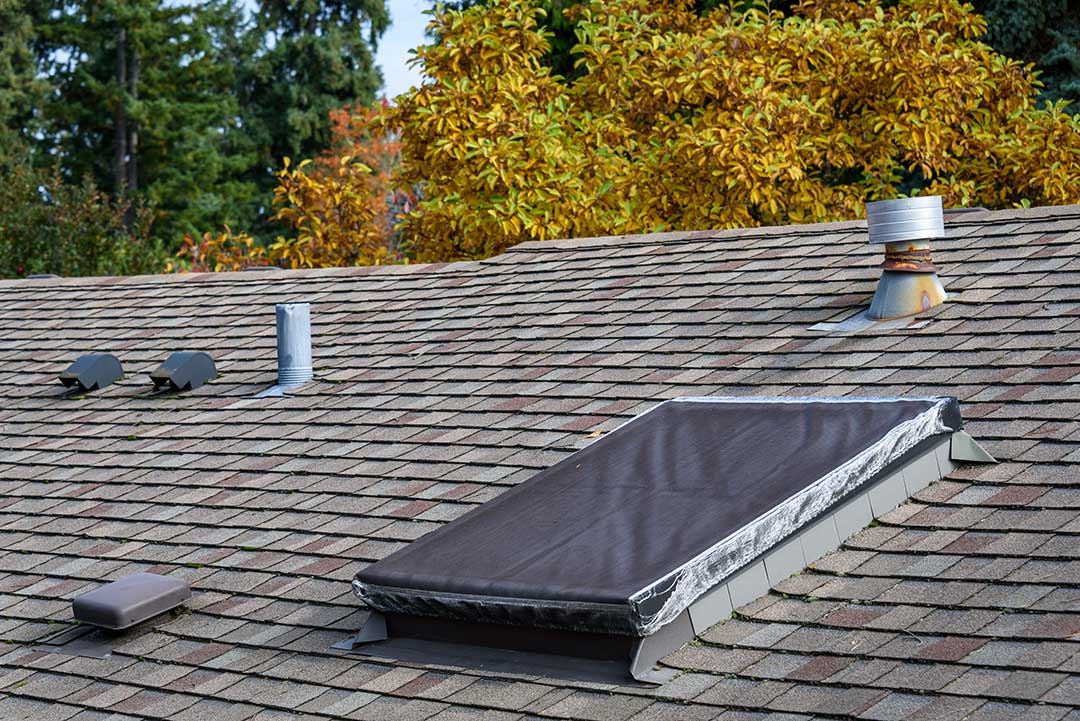
- Cricket: redirects water and reduces accumulation
- Flashing: seals and protects the joint between materials
A roof may have flashing but still experience drainage problems if water collects behind a wide chimney. Conversely, a well-shaped cricket can still leak if its flashing is damaged or incorrectly installed.
Can an existing roof cricket be repaired?
Sometimes. The appropriate repair depends on whether the problem involves the roofing surface, flashing, framing, drainage design, or several components at once.
Visible warning signs may include:
- Water stains near a chimney or upper-level ceiling
- Damp insulation or wood in the attic
- Rusted or separated flashing
- Cracked masonry joints near the roofline
- Shingles lifting or deteriorating behind the chimney
- Repeated ice buildup in the same location
- Moss, debris, or darkened roofing materials in the drainage area
A surface patch may not correct a cricket problem if water is entering beneath the flashing or if the underlying structure does not provide enough slope. Roof access can also be hazardous, particularly during wet, icy, or snowy conditions. Inspection from the attic may reveal damage that is not visible from the ground, but attic spaces also require caution around unstable surfaces, insulation, wiring, and limited ventilation.
What should homeowners understand during reroofing?
Reroofing is an opportunity to evaluate the entire chimney transition, not just install new shingles over an existing arrangement. Old roofing may hide deteriorated decking, flattened framing, rusted flashing, or previous repairs that restricted drainage.
Important questions include:
- Does the chimney size and roof slope justify a cricket?
- Is the existing cricket properly framed and sloped?
- Will the underlayment integrate with the surrounding roof?
- Is the flashing being replaced or simply covered?
- Are snow and debris likely to collect behind the obstruction?
- Does the finished design provide clear drainage on both sides?
A roof cricket is most effective when considered during the design of the whole roof system. Its success depends on slope, flashing, underlayment, roofing materials, chimney condition, and drainage paths working together.
Why the feature matters in this region
Seasonal weather can expose weaknesses that remain unnoticed during dry conditions. In North Chili, changing temperatures may produce repeated cycles of snow, melting, refreezing, and rainfall. Those cycles place extra demands on roof areas where water already moves slowly.
A cricket cannot prevent every chimney leak, and it cannot correct damaged masonry or failed flashing by itself. Its value is more specific: it helps keep water and snow from concentrating on the uphill side of a roof obstruction. When correctly designed and maintained, that simple change can reduce stress on one of the most vulnerable areas of a sloped roof.
