
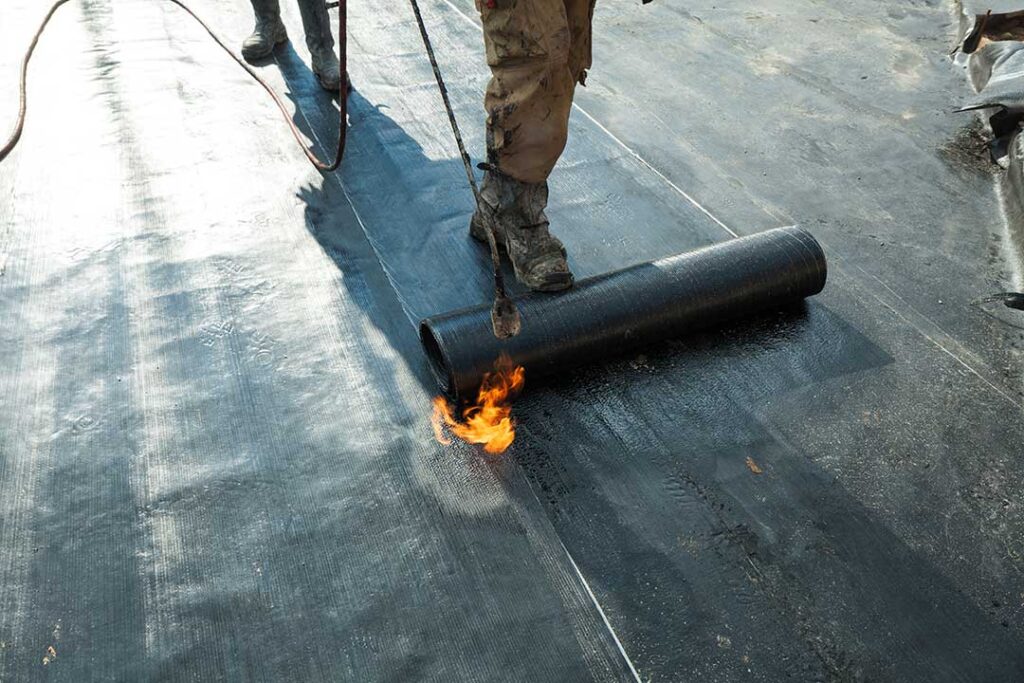
What does the roofing process involve?
For homeowners in North Chili, NY, a roofing project usually includes several stages: evaluating the existing roof, planning the work, removing damaged materials, preparing the roof deck, installing new roofing components, and checking the finished system. Understanding each stage makes it easier to recognize quality workmanship and spot problems early.
A roof is more than the visible shingles. It also includes the roof deck, underlayment, flashing, ventilation, drainage details, and edge protection. A failure in any one of these parts can lead to leaks, ice buildup, moisture damage, or reduced service life.
How is the condition of a roof evaluated?
The process begins with an inspection from the ground and, when safe, from the roof surface or attic. The purpose is to determine whether the problem is limited to a small area or whether the entire roofing system is nearing the end of its useful life.
Common inspection points include:
- Missing, cracked, curled, or loose shingles
- Damaged flashing around chimneys, vents, skylights, and wall intersections
- Sagging areas that may indicate structural or moisture-related problems
- Granules collecting in gutters or near downspouts
- Exposed fasteners or deteriorated sealant
- Moss or algae growth that may hold moisture against roofing materials
- Water stains, damp insulation, or musty odors in the attic
- Inadequate or blocked attic ventilation
A roof can appear acceptable from the ground while still having hidden damage. Attic observations are especially useful because staining or daylight visible through the roof deck may reveal an active or past leak.
How is it decided whether to repair or replace the roof?
A repair is generally considered when the damage is localized, the surrounding materials remain sound, and the roof still has substantial serviceable life. Examples include replacing a limited number of damaged shingles, repairing flashing, or correcting a small area around a roof penetration.
Replacement becomes more likely when damage is widespread, the roofing material is near the end of its expected life, or repeated repairs are no longer addressing the underlying issue. Multiple leaks, extensive granule loss, widespread curling, and soft areas in the roof deck are warning signs that a larger project may be necessary.
The age of the roof matters, but it is not the only factor. Snow, wind, summer heat, freeze-thaw cycles, poor ventilation, and earlier installation problems can all affect performance. Two roofs of the same age may be in very different condition.
What happens before the old roofing is removed?
Good preparation protects the home and helps the work proceed safely. The work area may be reviewed for access, material storage, driveway use, landscaping, outdoor equipment, and locations where falling debris could cause damage.
Residents should also understand how the work may affect daily routines. Roofing can create considerable noise, vibration, and temporary disruption. Attic items should be covered or moved if dust could enter through small gaps, and fragile wall decorations may need extra attention because of vibration.
Weather planning is another important part of preparation. Roofing materials generally perform best when installed under suitable temperature and moisture conditions. Rain, strong wind, snow, or rapidly changing temperatures can delay work or require temporary protection.
Why is the roof deck inspected during installation?
After the old roofing is removed, the roof deck becomes visible. This is the layer of wood or wood-based panels that supports the roofing system. Any soft, rotted, cracked, or structurally weakened sections should be identified before new materials cover them.
Covering damaged decking can leave an unstable surface and may allow movement, fastener failure, or future leaks. Not every discolored board requires replacement, however. The condition should be evaluated based on firmness, moisture damage, structural integrity, and the requirements of the roofing system.
This stage can change the scope of work because hidden damage is not always visible during an exterior inspection. A clear explanation of any deck repairs helps homeowners understand why additional materials or labor may be needed.
What layers make up a roofing system?
A typical sloped roof includes several coordinated layers:
- Roof deck: The structural surface attached to the rafters or trusses.
- Underlayment: A water-resistant layer placed beneath the visible roofing material.
- Drip edge: Metal edging that helps direct water into the gutters and protects roof edges.
- Flashing: Materials installed at joints and penetrations where water could collect or enter.
- Roof covering: Shingles or another exposed material that sheds water and resists weather.
- Ventilation components: Openings that help manage heat and moisture in the attic.
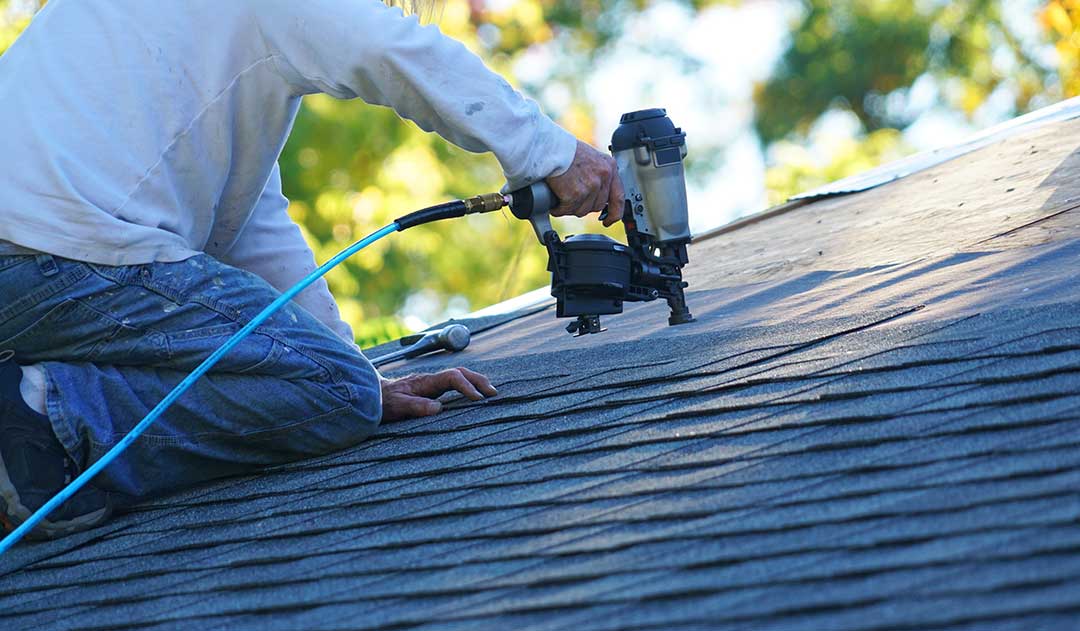
These components work together. For example, shingles are not intended to solve a flashing problem, and attic ventilation cannot correct missing underlayment. A durable roof depends on the entire system being installed correctly.
What does installation usually look like?
Once the deck is ready, the underlayment, edge materials, flashing, and roof covering are installed in a planned sequence. Roofing materials are arranged so that water flows downward without being trapped at seams or penetrations.
Special attention is needed around chimneys, plumbing vents, skylights, valleys, wall intersections, and changes in roof direction. These areas receive more water and are common sources of leaks when flashing is damaged, poorly fitted, or sealed without proper layering.
Fastener placement also matters. Nails or other approved fasteners must be located correctly and driven to the proper depth. Overdriven fasteners can damage materials, while underdriven fasteners may leave the roof vulnerable to wind.
How do local weather conditions affect roofing?
North Chili experiences cold winters, snowfall, wind, rain, and repeated freeze-thaw conditions. Water can enter a small opening, freeze, expand, and gradually enlarge the damaged area. Ice buildup along roof edges can also interfere with drainage and place stress on shingles and flashing.
Summer heat and humidity create different concerns. Poor attic ventilation can allow heat and moisture to accumulate, contributing to premature aging, condensation, or deterioration of roof components.
For these reasons, roofing details should be viewed as part of a year-round weather system rather than as a simple surface covering. Proper drainage, secure edges, sound flashing, and balanced attic ventilation are especially valuable in a climate with changing seasons.
How is the completed roof checked?
A final review should look for consistent shingle alignment, secure edges, properly installed flashing, clear ventilation openings, and clean transitions around roof penetrations. Gutters and downspouts should be free of excessive debris, and the ground around the home should be checked for leftover nails or material fragments.
Inside the attic, any previous leak areas should be monitored after the next several significant rainfalls or snowmelt events. A stain may remain after a leak is repaired, so the key question is whether it grows, feels damp, or develops a new odor.
Homeowners should keep records of the installation date, materials used, repairs made to the deck, and any maintenance observations. These records can help explain the roof’s history and make future inspections more useful.
What maintenance helps extend roof life?
Routine observation is more useful than waiting for a ceiling stain. After major wind or winter weather, look from the ground for displaced materials, damaged flashing, or debris. Keep gutters and downspouts clear so water can drain away from the roof and foundation.
Avoid walking on the roof unless the surface is designed for safe access and the person has appropriate training. Foot traffic can damage shingles and create fall hazards. Moss, branches, and heavy debris should also be addressed carefully because they can retain moisture or scrape the roof surface.
If water is entering the home, place a container beneath the drip, protect nearby belongings, and limit access to areas with sagging ceilings or wet electrical components. Active leaks and hazardous conditions require prompt attention because roofing damage can quickly spread into insulation, framing, walls, and ceilings.
